
Prep
We are delighted to welcome new families into our nature-inspired learning environment on our picturesque 10-acre campus in Mount Helen, where children develop a deep love for learning.
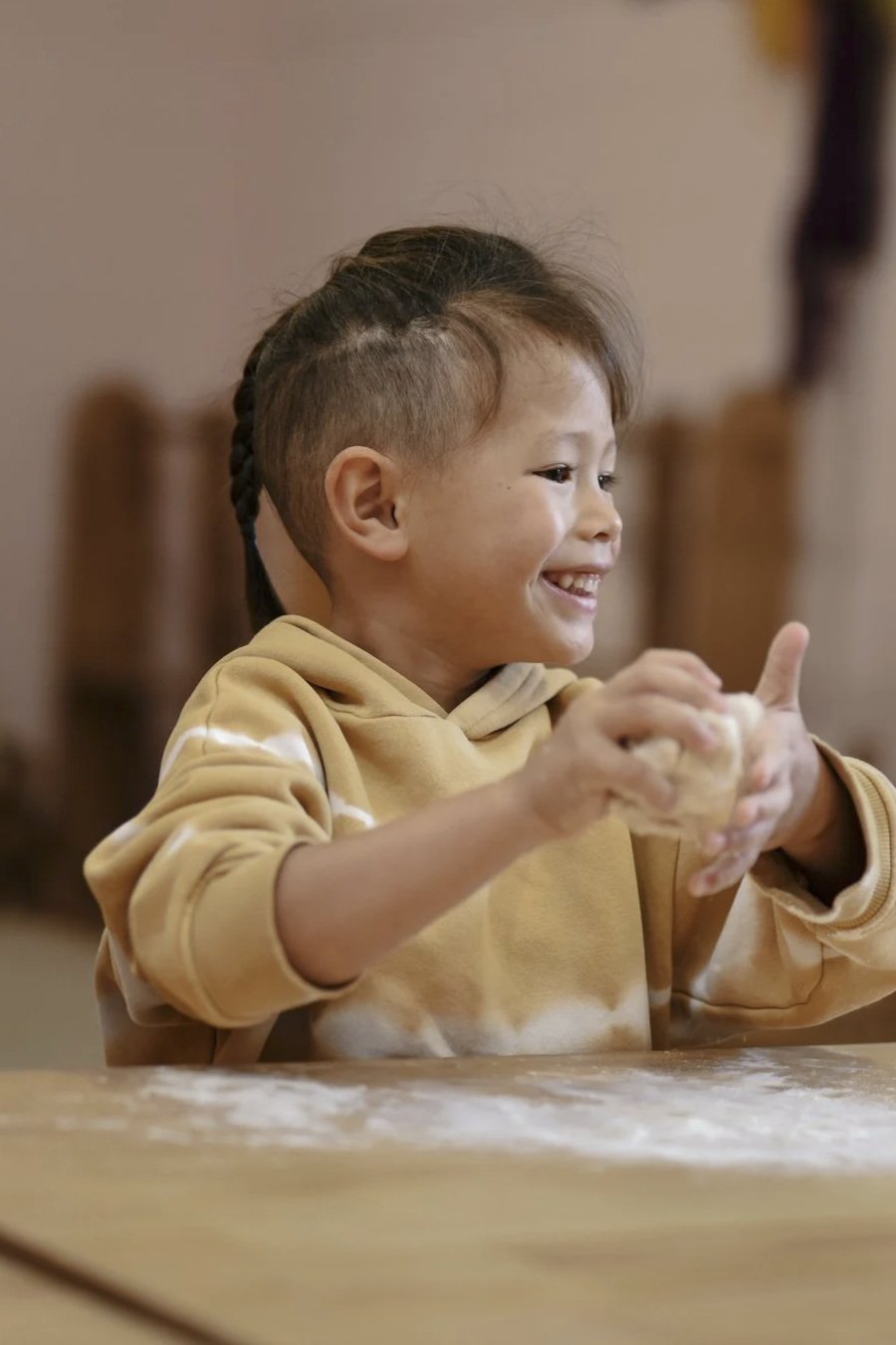
The Steiner Prep program provides a strong, holistic and nurturing foundation to all future learning. It is the cornerstone of the Steiner curriculum. Students foster a love of learning through storytelling, movement, artistic expression, and play. With a strong focus on oral language development, practical skills, and social connection. The day follows a solid routine and rhythm that balances inside and outside activity.
We create a space and a rhythm that “holds” the child and allows them to become deeply immersed in their work and play, and supports emotional well being, healthy development and future intellectual development.
Outdoor play is an integrative part of the Steiner Prep day, children are immersed in building, swinging, skipping, sand and water play, gardening, balancing, climbing- all giving the child opportunities in gaining confidence, coordination and learning skills.
The prep year is an extension of our early childhood program where skills are further developed, added to and consolidated and ensures that all children are then ready for the sit down academic learning that formally begins in Class one.

Why a Steiner education feels like a big choice.
Choosing Steiner education is often a heartfelt decision. It’s a journey that steps away from the mainstream and embraces the whole child: nurturing their intellect, imagination, and sense of self.
One of the most distinctive differences in Steiner Education is our approach to technology. We don’t use computers, iPads, or other screens as learning tools. This isn’t about being “anti-technology” — it’s about being pro-child development.
Research in child development and neuroscience shows that early screen exposure can affect attention span, creativity, sleep quality, and even social skills. Young brains are wired to learn best through movement, hands-on activities, human connection, and real-world exploration. By holding off on screens, we give our students the space to develop strong concentration, imagination, and problem-solving abilities — skills that will serve them far better when they do encounter digital tools later on.
When technology is introduced in the later years, students approach it as a tool they can master — rather than a distraction that masters them. This balanced, research-informed approach ensures they gain digital competence while still developing the deep thinking and resilience that comes from real-world learning.